A mini projector is a compact, lightweight device that projects images or videos onto a flat surface, offering a portable big-screen experience for home entertainment or on-the-go use. These devices are ideal for transforming any space into a personal cinema, whether for backyard movie nights, business presentations, or immersive gaming. Key features to consider include brightness (ANSI lumens), resolution (e.g., 1080p for Full HD), and versatile connectivity options like HDMI and Wi-Fi.
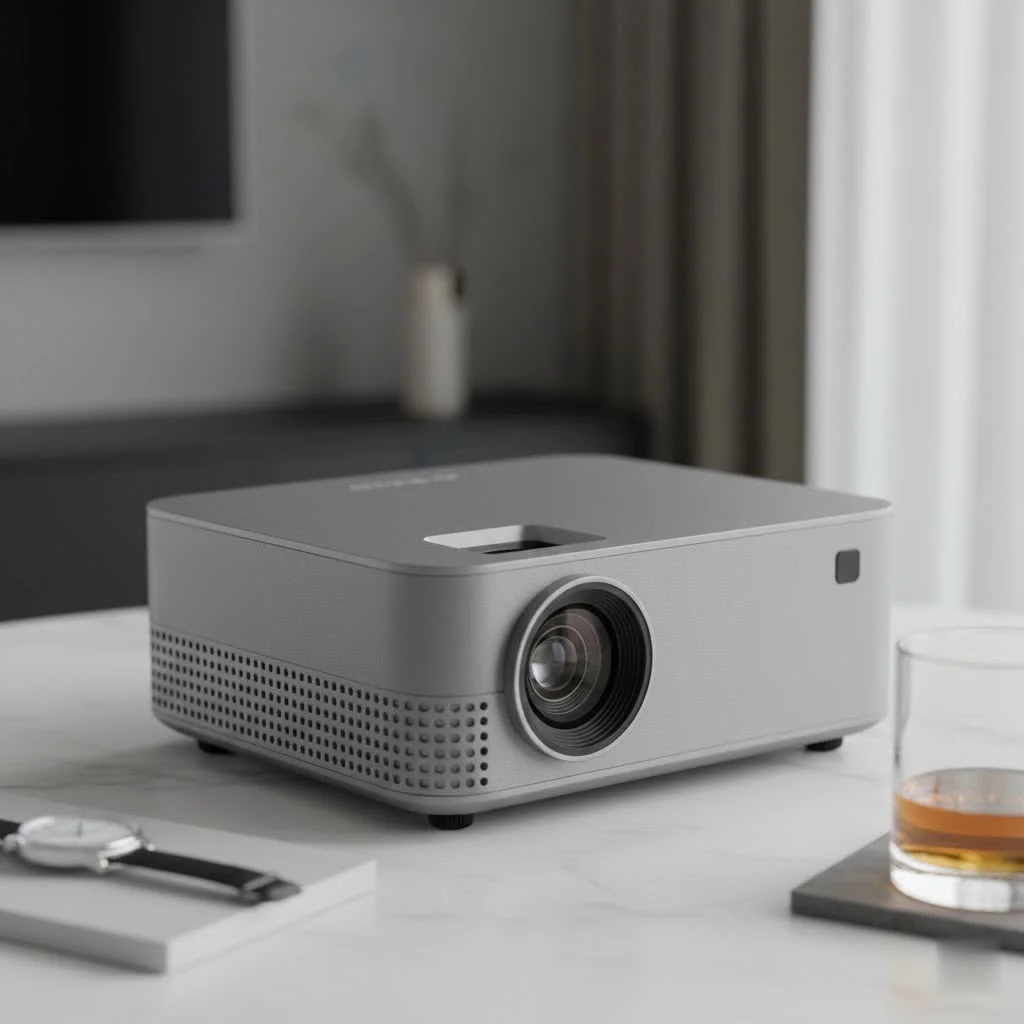
With numerous options available, understanding technical specifications like lumens, contrast ratios, and resolutions is crucial. This guide simplifies the selection process, covering essential features and practical tips to achieve the best picture qualityLet’s explore how to choose the perfect mini projector to enhance your viewing experience.
What Exactly is a Mini Projector?
A mini projector, often called a portable or pico projector, is a compact, lightweight device designed to project an image or video onto a screen or other flat surface. Unlike its traditional, heavier counterparts that are often mounted to a ceiling, a mini projector is built for flexibility. Its primary appeal lies in its portability, allowing you to set up a big-screen experience virtually anywhere—from a boardroom to a backyard campsite.
The core technology is similar to standard projectors, using a light source (typically LED) and an imaging chip to create the picture. However, everything is scaled down. This means they are generally not as bright as full-sized models, but advancements in LED technology have made them surprisingly capable, offering bright, clear images in the right conditions.
Key Differences from Traditional Projectors
- Size and Weight: This is the most obvious difference. Mini projectors are designed to be carried, often weighing just a few pounds or even less.
- Light Source: Most use LEDs, which have a much longer lifespan (often 20,000+ hours) compared to the lamps in many traditional projectors.
- Power Source: Many models come with built-in rechargeable batteries, offering true wire-free operation for a few hours.
- Brightness: They typically have lower lumen ratings, making them best suited for dark or dimly lit environments.
Key Features to Consider Before Buying a Mini Projector
Choosing a mini projector involves balancing performance with portability. Here are the critical specifications you need to pay close attention to.
Brightness (Lumens)
Brightness is arguably the most important feature, and it’s measured in ANSI lumens. The higher the lumen count, the brighter the image, and the better it will perform in rooms with some ambient light.
- Under 200 ANSI Lumens: Suitable for very dark rooms only. Ideal for casual movie nights where you can achieve near-total darkness.
- 200-500 ANSI Lumens: This is the sweet spot for most portable projectors. It offers good performance in dark rooms and can handle dimly lit environments for smaller screen sizes.
- 500+ ANSI Lumens: These are higher-end portable models that can perform reasonably well even with some lights on, making them more versatile for presentations or living room use.
As electronics expert Michael Chen notes, “While consumers are often tempted by high marketing numbers, always look for the ANSI lumens specification. It’s the standardized measurement that allows for a true ‘apples-to-apples’ brightness comparison.”
Resolution (Image Clarity)
|
Our Picks for the Best Mini Projector in 2026
As an Amazon Associate I earn from qualifying purchases.
|
||
| Num | Product | Action |
|---|---|---|
| 1 | Magcubic Mini Projector with WiFi 6 and Bluetooth 5.4, Portable Projector 4K Support, 5W Soundbase Speaker, Auto Vertical Keystone 180°Rotatable Smart Proyector for Movie Home Outdoor |

|
| 2 | Mini Portable Projector 4K WiFi 6 BT 5.2 Upgraded Portable Projector Full HD Supported for Phone /PC /TV /HDMI /PS5 /Laptop Auto Keystone Home Theater 180° Rotation [Built-in App] White |
|
| 3 | Aurzen Roku TV Smart Projector with Wifi and Bluetooth, Roku Streaming Experience Built-in, 1080P FHD, Dolby Audio, Auto Focus & Keystone, Zoom, Movie Portable Outdoor Mini Projector, White |
|
| 4 | 【Officially-Licensed APP & Native 1080P】Thinnest 1.81\" Smart Mini Projector with WiFi and Bluetooth, Auto Focus & Keystone Portable Outdoor Projector, VOPLLS 4K Support Home Movie Projector |
|
| 5 | [Built-in Apps & 2025 Upgraded] Mini Projector Support 4K 1080P Auto Keystone 270° Rotatable with WiFi 6 and Bluetooth 5.4, Projector Portable Compatibile with HDMI/TV Stick/Memory Stick/Laptop-Black |
|
| 6 | [Short Throw/1200ANSI/Built in Apps] 4K Outdoor Projector with WiFi and Bluetooth, Auto Focus Projector with Dual-Mode Stand, Smart Portable Proyector with Netflix/YouTube/PrimeVideo & Dolby |
|
| 7 | [Compatible with Netflix & TOF Real-time Focus] Mini Projector with WiFi and Bluetooth, XuanPad Smart Projector 4K Support, Dolby Audio & Keystone, 210° Rotatable Stand for Home |
|
| 8 | HAPPRUN Native 1080P Bluetooth Mini Projector, Full HD Portable Outdoor Movie Projector with Built-in Speaker, Compatible with Smartphone, HDMI, USB, AV, Fire Stick, PS5 for Home, Bedroom, Outdoor Use |
|
| 9 | SOOMFON Mini Projector 1080P Support - Portable Small Video Movie Projector Bluetooth 5.1 Auto Keystone Electric Focus for Bedroom/Wall/Home/Outdoor/iPhone/Android/TV Stick |
|
| 10 | Aurzen EAZZE D1 Smart Projector with WiFi and Bluetooth, Netflix-Officially-Licensed, Auto Focus & Keystone, DoIby Audio, Native 1080P Movie, Portable Outdoor Mini Projector, White |
|
Resolution determines the sharpness and detail of the image. It’s measured in pixels (width x height).
- 480p (854×480): This is the entry-level resolution. It’s acceptable for casual viewing on small screens but will look noticeably pixelated if you project a large image.
- 720p (1280×720): A significant step up in clarity. This is a great middle-ground for a good-quality viewing experience without the premium price of 1080p.
- 1080p (1920×1080): Full HD. This is the standard for high-quality video and offers a crisp, detailed picture that’s perfect for movies and gaming. Many mini projectors will “support” 4K but downscale the content to their native 1080p or 720p resolution.
Connectivity Options
How you get your content onto the screen is crucial. A good mini projector should offer a variety of inputs.
- HDMI: The most important physical connection. It allows you to easily connect laptops, gaming consoles, and streaming sticks like a Roku or Amazon Fire Stick.
- USB: Useful for playing media files directly from a thumb drive or for powering a streaming stick.
- Wi-Fi: Enables wireless screen mirroring from your smartphone, tablet, or laptop. It also allows projectors with built-in smart TV operating systems to stream apps like Netflix and YouTube directly.
- Bluetooth: Primarily used for connecting to external speakers or headphones for better audio, as the built-in speakers on most models are quite basic.
Battery Life
If you plan to use your projector on the go, battery life is a non-negotiable feature. Most built-in batteries will last between 1.5 to 3 hours. This is usually enough for a full movie, but for longer sessions or binge-watching, you’ll need to be near a power outlet or have a portable power bank.
Common Uses for a Mini Projector
The beauty of a mini projector lies in its versatility. Here are just a few ways people are using them.
Backyard Movie Nights
This is a classic use case. Grab a simple screen or even just a white sheet, connect a Bluetooth speaker, and you have an instant outdoor cinema. It’s a fantastic way to enjoy a film with family and friends on a warm evening.
Upgrading Your Home Entertainment
Don’t have space for a massive TV? A mini projector can cast a 100-inch (or larger) image on a blank wall, creating a cinematic feel in a small apartment or bedroom. When you’re done, you can pack it away, freeing up your wall space.
On-the-Go Business Presentations
For the traveling professional, a mini projector is a powerful tool. Instead of huddling around a small laptop screen, you can project your presentation for everyone in the room to see clearly. Their quick setup time makes them perfect for impromptu meetings.
Gaming on a Grand Scale
Connect your Nintendo Switch, PlayStation, or Xbox via HDMI and take your gaming to the next level. Playing your favorite games on a massive projected screen is an incredibly immersive experience.
Tips for Getting the Best Picture Quality
- Control the Lighting: This is the number one rule. The darker the room, the better your image will look. Close the blinds, turn off the lights, and eliminate as much ambient light as possible.
- Use a Proper Screen: While a white wall works in a pinch, a dedicated projector screen is designed to reflect light more effectively. This will significantly improve contrast and color vibrancy.
- Find the Right Position: The projector should be placed perpendicular to the center of the screen to avoid a distorted image. Most projectors have a “keystone correction” feature to fix this, but it’s always best to get the physical placement right first.
- improve your Audio: The built-in speakers on mini projectors are typically weak. For an immersive experience, connect to a Bluetooth speaker, soundbar, or headphones.
Frequently Asked Questions (FAQ)
Can a mini projector work in daylight?
Most mini projectors struggle in direct daylight because they lack sufficient brightness (lumens) to compete with the sun. However, higher-end models with 500+ ANSI lumens can be usable in a room with shaded windows, but a dark environment is always recommended for the best viewing experience.
How many lumens is good for a mini projector?
For general use in a dark room, a mini projector with 200-500 ANSI lumens provides a bright enough image for movie nights or casual viewing without being overly expensive. If you need to use it in rooms with some ambient light, aim for over 500 ANSI lumens for better performance.
Do mini projectors need to be plugged in?
Many mini projector models come with a built-in rechargeable battery, offering 1.5 to 3 hours of wireless operation, which is typically enough for a full movie. However, they can also be used while plugged into a power source for unlimited runtime, making them versatile for various setups.
Can I connect my phone to a mini projector?
Yes, you can connect your phone to most modern mini projectors. They typically support wireless screen mirroring via Wi-Fi for both Android and iOS devices. For a more stable signal, you can also use a wired connection, such as a USB-C to HDMI adapter, depending on your phone and projector’s ports.
How long do the bulbs in mini projectors last?
Mini projectors typically use LED light sources, not traditional bulbs, which boast an incredibly long lifespan. LEDs are often rated for 20,000 to 30,000 hours of use, meaning you could watch a two-hour movie every day for over 25 years before the light source would need replacing.
Final Thoughts
A mini projector is a wonderfully versatile piece of technology that brings the big-screen experience wherever you go. By focusing on the key features that matter most—brightness, resolution, and connectivity—you can find a device that perfectly suits your needs. Whether you’re a movie buff, a frequent traveler, or just someone looking for a flexible entertainment solution, there has never been a better time to invest in a mini projector.
Now that you’re armed with this knowledge, you can shop with confidence. Go ahead and transform any space into your personal cinema. Happy viewing
Frequently Asked Questions
Can a mini projector work effectively in a brightly lit room or daylight?
Most mini projectors struggle in direct daylight or brightly lit rooms due to insufficient brightness (lumens). While higher-end models with 500+ ANSI lumens can be used in rooms with shaded windows, a dark environment is always recommended for optimal viewing quality and contrast.
What is a good ANSI lumen range for a portable mini projector?
For general use in a dark room, a mini projector with 200-500 ANSI lumens is a great range, providing a bright enough image for movie nights or casual viewing without being overly expensive. If you anticipate using it in rooms with some ambient light, aim for over 500 ANSI lumens for better performance.
Do mini projectors require a constant power connection to operate?
Many mini projector models include a built-in rechargeable battery, offering 1.5 to 3 hours of wireless operation, which is typically sufficient for a full movie. However, they can also be used while plugged into a power source for unlimited runtime, providing flexibility for various setups.
What are the best ways to connect a smartphone to a mini projector?
You can connect your smartphone to most modern mini projectors wirelessly via Wi-Fi for screen mirroring from both Android and iOS devices. For a more stable signal, a wired connection using an adapter like USB-C to HDMI is also an option, depending on your phone and the projector's available ports.
How long can I expect the light source in a mini projector to last?
Mini projectors typically use LED light sources, which are highly durable and have an incredibly long lifespan, often rated for 20,000 to 30,000 hours of use. This means you could watch a two-hour movie every day for over 25 years before the light source would need replacing, offering significant longevity.
Getting the Best Picture Quality from Your Mini Projector
Follow these simple steps to optimize the image quality and overall viewing experience with your mini projector.
The most crucial step is to ensure the room is as dark as possible. Close blinds, turn off lights, and eliminate ambient light to significantly improve image contrast and vibrancy.
While a white wall can work, a proper projector screen is designed to reflect light more effectively. This will enhance color accuracy and overall picture quality, making your viewing experience much better.
Place the projector perpendicular to the center of your screen to avoid image distortion. Although most projectors have keystone correction, achieving the correct physical placement first will always yield the best results.
Mini projectors often have basic built-in speakers. For an immersive experience, connect to an external Bluetooth speaker, a soundbar, or headphones to significantly improve sound quality.
Get our weekly buyer guide
Practical specs, not advice. Unsubscribe anytime.
I was looking for something to take on camping trips and this little projector is perfect! The Wi-Fi connectivity makes it so easy to stream from my phone without a bunch of extra cables. It’s lightweight and fits right in my backpack. We even used it to project cartoons on the tent ceiling for the kids, which was a huge hit.
I got a mini projector for business presentations on the go, and while the portability is great, I wish I’d paid more attention to the contrast ratio. In brightly lit conference rooms, the blacks aren’t as deep as I’d hoped, making some of my slides a bit washed out. It’s fine for darker rooms, but something to consider if you’re using it in varied lighting conditions.
I finally pulled the trigger on a mini projector after reading about the different resolution options. I went with a 1080p model and it’s fantastic! We’ve had so many fun backyard movie nights already. The picture quality is surprisingly good, even on a makeshift screen. It’s super easy to set up and connect to my laptop.
This guide really helped me understand the importance of ANSI lumens. I was worried about getting a dim picture, but after focusing on a projector with higher brightness, I’m really happy with my purchase. It’s perfect for gaming in my living room, even with some ambient light. Definitely a game-changer for my entertainment setup.