There’s something magical about watching a movie under the stars. The hassle of bulky equipment, however, can quickly ruin the vibe. That’s where a mini outdoor projector comes in, transforming your backyard, campsite, or rooftop into a personal cinema. These compact devices pack a powerful punch, but choosing the right one can feel overwhelming. With over a decade of hands-on experience at Flasf.com, I’m here to guide you through everything you need to know to find the perfect portable powerhouse for your open-air movie nights.
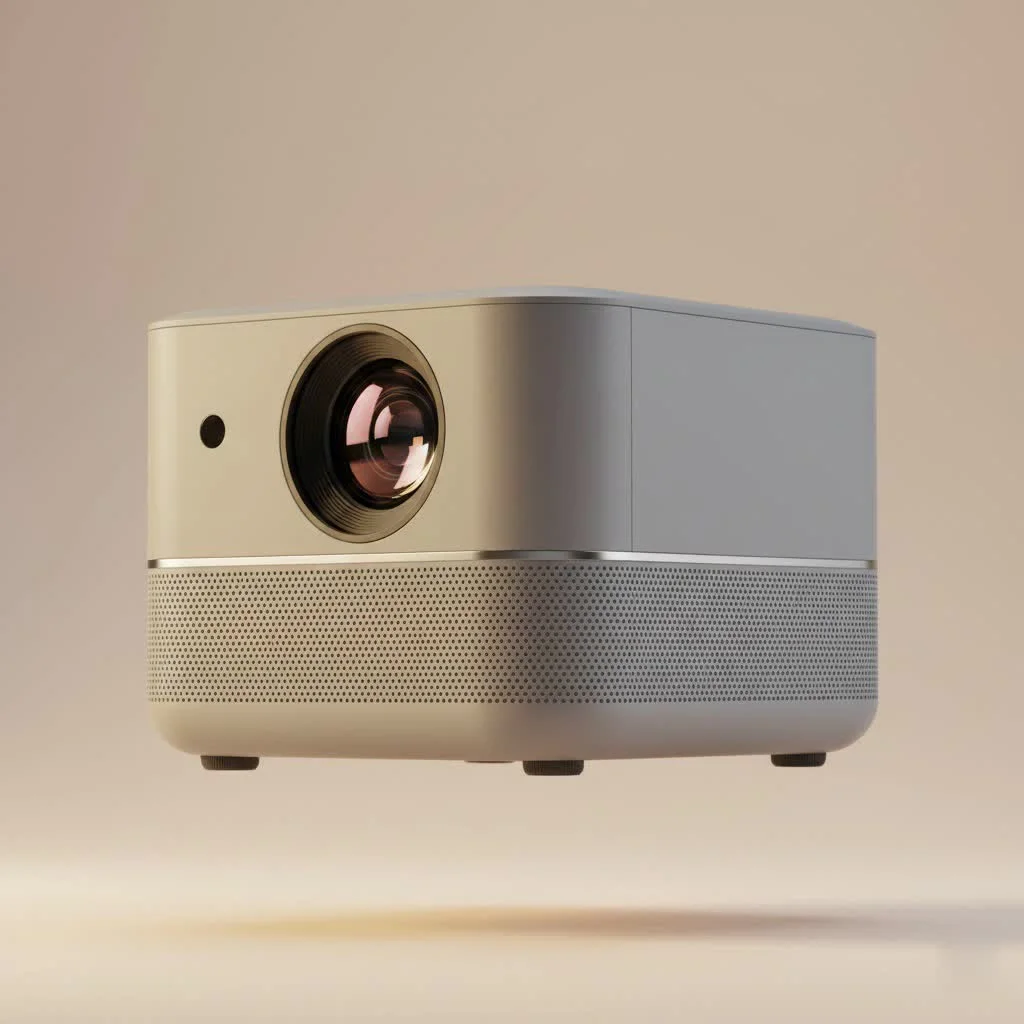
What Makes a Mini Projector Great for the Outdoors?
Taking a projector outside presents a unique set of challenges compared to your living room. You’re dealing with ambient light, a lack of power outlets, and unpredictable surfaces. A true mini outdoor projector isn’t just small; it’s specifically equipped to handle these conditions.
The key is to look for a balance of portability and performance. You need something light enough to carry but powerful enough to deliver a clear, bright picture. It’s about finding that sweet spot where convenience meets cinematic quality.
Key Features to Look For
When you start comparing models, the technical specifications can look like a foreign language. Let’s break down the most critical features for an outdoor setting.
- Brightness (Lumens): This is arguably the most important factor. Outdoor environments have ambient light, even after sunset. For the best experience, you’ll want a projector with at least 500 ANSI lumens. While some projectors advertise thousands of lumens, always look for the “ANSI lumens” rating, as it’s the standardized, more accurate measurement of brightness.
- Battery Life: Unless you plan on running a long extension cord, a built-in battery is non-negotiable. Look for a model that offers at least 2 to 3 hours of playtime on a single charge—enough to get through most feature films. Many projectors also feature a USB-C port, allowing you to power them with a portable power bank for extended viewing.
- Resolution: Resolution determines the clarity and sharpness of the image. While 4K projectors are the gold standard for home theaters, a native resolution of 720p (1280×720) or 1080p (1920×1080) is fantastic for a mini outdoor projector. It provides a crisp, clear image without the high cost and power demands of 4K.
- Portability and Durability: The ideal outdoor projector should be compact and lightweight, making it easy to pack and carry. Look for models with a sturdy build, and some even come with carrying cases or handles. While most aren’t fully waterproof, a degree of dust and moisture resistance is a definite plus.
Setting Up Your Backyard Cinema
Once you’ve chosen your projector, the next step is creating the perfect viewing environment. A little preparation goes a long way in achieving that immersive movie-watching experience.
1. Find the Right Location
|
Our Picks for the Best Mini Projector in 2026
As an Amazon Associate I earn from qualifying purchases.
|
||
| Num | Product | Action |
|---|---|---|
| 1 | SOOMFON Mini Projector 1080P Support - Portable Small Video Movie Projector Bluetooth 5.1 Auto Keystone Electric Focus for Bedroom/Wall/Home/Outdoor/iPhone/Android/TV Stick |

|
| 2 | Aurzen Roku TV Smart Projector with Wifi and Bluetooth, Roku Streaming Experience Built-in, 1080P FHD, Dolby Audio, Auto Focus & Keystone, Zoom, Movie Portable Outdoor Mini Projector, White |
|
| 3 | 【Officially-Licensed APP & Native 1080P】Thinnest 1.81\" Smart Mini Projector with WiFi and Bluetooth, Auto Focus & Keystone Portable Outdoor Projector, VOPLLS 4K Support Home Movie Projector |
|
| 4 | [Short Throw/1200ANSI/Built in Apps] 4K Outdoor Projector with WiFi and Bluetooth, Auto Focus Projector with Dual-Mode Stand, Smart Portable Proyector with Netflix/YouTube/PrimeVideo & Dolby |
|
| 5 | Aurzen EAZZE D1 Smart Projector with WiFi and Bluetooth, Netflix-Officially-Licensed, Auto Focus & Keystone, DoIby Audio, Native 1080P Movie, Portable Outdoor Mini Projector, White |
|
| 6 | HAPPRUN Native 1080P Bluetooth Mini Projector, Full HD Portable Outdoor Movie Projector with Built-in Speaker, Compatible with Smartphone, HDMI, USB, AV, Fire Stick, PS5 for Home, Bedroom, Outdoor Use |
|
| 7 | [Compatible with Netflix & TOF Real-time Focus] Mini Projector with WiFi and Bluetooth, XuanPad Smart Projector 4K Support, Dolby Audio & Keystone, 210° Rotatable Stand for Home |
|
| 8 | [Built-in Apps & 2025 Upgraded] Mini Projector Support 4K 1080P Auto Keystone 270° Rotatable with WiFi 6 and Bluetooth 5.4, Projector Portable Compatibile with HDMI/TV Stick/Memory Stick/Laptop-Black |
|
| 9 | Mini Portable Projector 4K WiFi 6 BT 5.2 Upgraded Portable Projector Full HD Supported for Phone /PC /TV /HDMI /PS5 /Laptop Auto Keystone Home Theater 180° Rotation [Built-in App] White |
|
| 10 | Magcubic Mini Projector with WiFi 6 and Bluetooth 5.4, Portable Projector 4K Support, 5W Soundbase Speaker, Auto Vertical Keystone 180°Rotatable Smart Proyector for Movie Home Outdoor |
|
Choose a spot that is sheltered from wind and has minimal ambient light. A backyard against a solid wall or a protected campsite area works best. Remember that streetlights or porch lights can wash out the image, so try to minimize their impact.
2. Choose Your Screen
You don’t necessarily need a professional screen. A smooth, white wall, the side of a garage, or even a tightly stretched white sheet can work wonders. However, a dedicated portable projector screen will always provide the best results by reflecting light more effectively and providing a perfectly flat surface.
3. Get the Sound Right
Most mini projectors come with built-in speakers. While convenient, they often lack the power and depth for an outdoor setting where sound can dissipate easily.
“Don’t underestimate the importance of audio,” advises David Chen, our lead projector technician at Flasf. “For a truly cinematic feel, connect your projector to a portable Bluetooth speaker. The difference is night and day. It pulls you into the movie instead of making you strain to hear.”
Most modern projectors have Bluetooth connectivity, making it simple to pair with an external speaker for robust, immersive sound.
4. Connectivity is Key
How will you play your movie? Modern projectors offer multiple options. Look for a model with an HDMI port to easily connect a laptop, streaming stick (like a Roku or Amazon Fire TV Stick), or gaming console. Many also have built-in Wi-Fi and smart TV operating systems, allowing you to stream directly from apps like Netflix or YouTube without any extra devices.
How Bright Does an Outdoor Projector Need to Be?
The ideal brightness for your mini outdoor projector is directly tied to when and where you plan to use it. Brightness is measured in ANSI lumens, and for outdoor use, more is almost always better.
For viewing after the sun has completely set, in a dark backyard or campsite, a projector with 500-800 ANSI lumens will produce a vibrant and clear image. If you want to start your movie a bit earlier, around dusk, you should aim for a model that offers 1000 ANSI lumens or more to combat the remaining daylight. Projectors intended for any level of daytime viewing require several thousand lumens and are typically not classified as “mini” due to their size and power requirements.
Frequently Asked Questions (FAQ)
Can I use a mini projector in the daylight?
It’s very difficult. Most mini projectors lack the brightness (lumens) to compete with the sun. You will get a very faint, washed-out image. For outdoor viewing, it’s best to wait until dusk or after sunset for a quality picture.
What is the best screen for an outdoor projector?
While a white wall or sheet can work in a pinch, a dedicated outdoor projector screen is the best option. Look for a tension-mounted or inflatable screen that stays taut to prevent wrinkles. Many are designed for portability and quick setup.
How do I connect my phone to the projector?
Most mini projectors support wireless screen mirroring via Wi-Fi from your smartphone (using technologies like Miracast or AirPlay). For a more stable connection, you can use a wired adapter, such as a USB-C to HDMI or Lightning to HDMI adapter.
Do I need a separate speaker?
While most models have built-in speakers, they are often small. For a better audio experience that can be heard clearly in an open space, it is highly recommended to connect to a portable Bluetooth speaker.
How far away should the projector be from the screen?
This is determined by the projector’s “throw ratio.” A shorter throw ratio means you can get a larger image from a shorter distance. Check the manufacturer’s specifications, but a common range is placing the projector 8-10 feet away for a 100-inch screen. Many projectors also have digital zoom and keystone correction to help you adjust the image perfectly.
Your Adventure into Outdoor Entertainment
Choosing the right mini outdoor projector is your ticket to unforgettable movie nights, backyard parties, and camping entertainment. By focusing on the core features—brightness, battery, resolution, and connectivity—you can find a device that perfectly suits your needs. Remember to consider your sound and screen setup to complete the experience. Now, all that’s left to do is grab some popcorn, gather your friends and family, and enjoy the show under the open sky.
Get our weekly buyer guide
Practical specs, not advice. Unsubscribe anytime.
I was so overwhelmed by all the choices, but the breakdown of what makes a mini projector great for the outdoors was exactly what I needed. I focused on finding one that could handle unpredictable surfaces and it’s been fantastic for impromptu movie nights on our patio wall. It’s surprisingly durable and the picture quality is really impressive for such a small device. Highly recommend doing your research!
I’ve been wanting to set up an outdoor movie night for ages, but the thought of lugging out my big projector was always a deterrent. This guide really helped me narrow down the options for a truly portable powerhouse. I ended up getting one that’s super bright and the kids absolutely love watching cartoons on the side of the garage. It’s made our backyard so much more fun!
This was super helpful for finding a projector for my camping trips. I specifically looked for one with a long battery life, as mentioned in the post, and it’s been a game-changer. No more worrying about finding power outlets in the wilderness. We watched a movie on the tent wall last weekend and it was such a cool experience. Definitely recommend considering battery capacity!
I appreciate the tips on dealing with ambient light, but even with a good mini projector, it’s still a challenge. I tried using mine for a sunset movie, and it was pretty washed out until it got really dark. Next time I’ll definitely wait until it’s pitch black, or maybe invest in a better screen. The sound was also a bit weak, so I had to connect an external speaker.