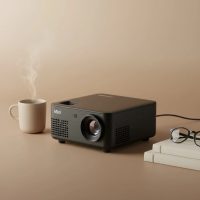
In the world of portable entertainment, the mini projector has become a game-changer. But with a sea of features and specifications, one simple connection can make all the difference: the HDMI port. If you’re looking to buy a new device, ensuring you choose a mini projector with HDMI port is one of the smartest decisions you can make. It’s the key to unlocking a universe of content with unparalleled ease and reliability, turning any space into your personal cinema.
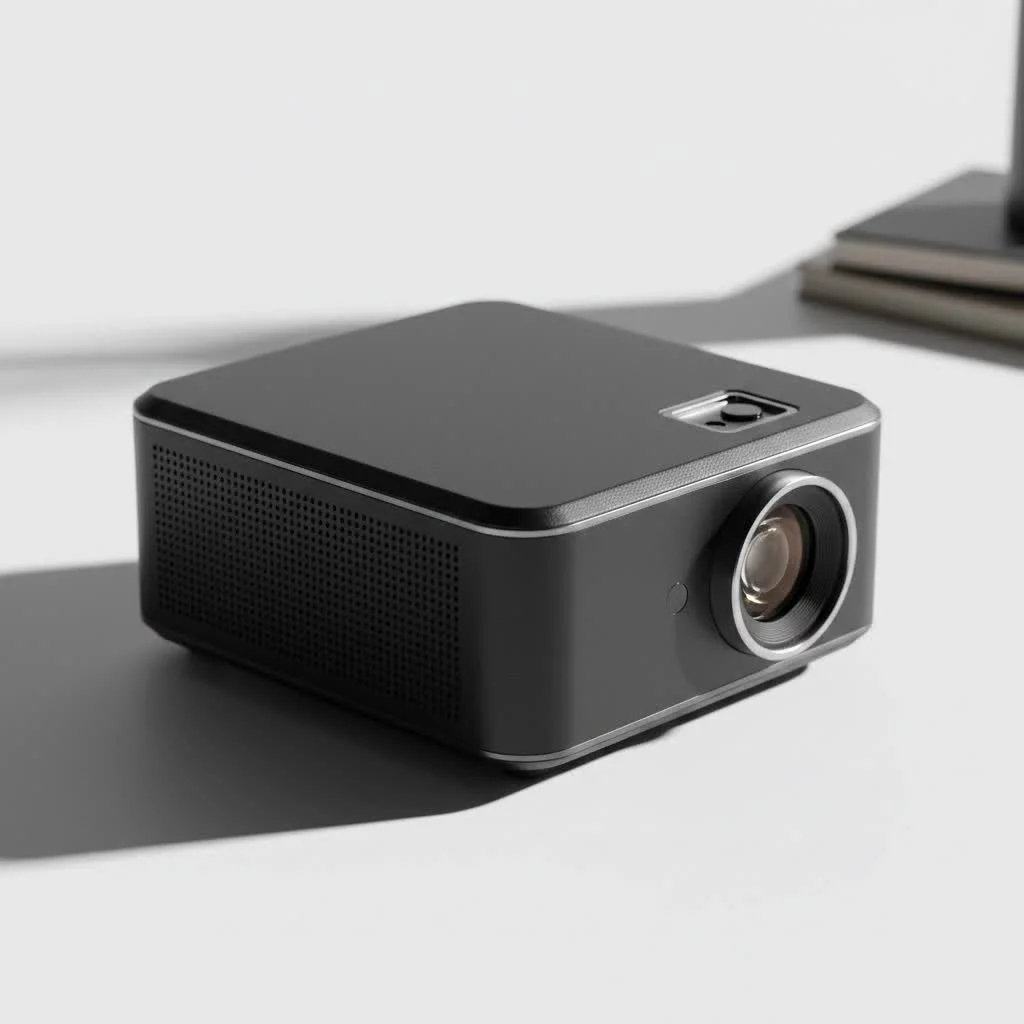
This guide will walk you through everything you need to know, from why this classic port is still king, to what to look for when choosing your perfect portable powerhouse. For more portable mini guides on this site.
Why is an HDMI Port So Important on a Mini Projector?
In an age of wireless everything, you might wonder if a physical cable is still relevant. When it comes to projectors, the answer is a resounding yes. The HDMI (High-Definition Multimedia Interface) port offers a stable, high-quality, and universally compatible connection that wireless options sometimes struggle to match.
Think of it as the most reliable bridge between your content source and your big screen. While Wi-Fi and Bluetooth are convenient, they can be prone to interference, lag, and complicated setup processes. A mini projector with HDMI port provides a simple plug-and-play solution that just works.
According to home theater expert David Chen, “The beauty of HDMI is its robustness. It delivers uncompressed audio and video signals, ensuring you’re getting the picture and sound quality exactly as the creator intended. For movie nights or gaming sessions where lag is the enemy, a wired HDMI connection is undefeated.”
Here are the core benefits:
- Superior Quality: HDMI transmits a pure, uncompressed digital signal, which means you get the best possible video and audio quality your devices can offer.
- Zero Lag: This is crucial for gaming or watching fast-paced action movies. A direct HDMI link eliminates the frustrating latency that can plague wireless streaming.
- Universal Compatibility: From laptops and gaming consoles to streaming sticks and Blu-ray players, nearly every modern media device has an HDMI output.
- Simplicity: There are no passwords to enter, no networks to connect to, and no apps to download. You just plug both ends of the cable in, and you’re ready to go.
Unlocking a World of Entertainment: What Can You Connect?
The true power of a mini projector with HDMI port lies in its versatility. It transforms your projector from a single-purpose device into a flexible entertainment hub.
Devices You Can Easily Connect:
|
Our Picks for the Best Mini Projector in 2026
As an Amazon Associate I earn from qualifying purchases.
|
||
| Num | Product | Action |
|---|---|---|
| 1 | [Built-in Apps & 2025 Upgraded] Mini Projector Support 4K 1080P Auto Keystone 270° Rotatable with WiFi 6 and Bluetooth 5.4, Projector Portable Compatibile with HDMI/TV Stick/Memory Stick/Laptop-Black |
![Check [Built-in Apps & 2025 Upgraded] Mini Projector Support 4K 1080P Auto Keystone 270° Rotatable with WiFi 6 and Bluetooth 5.4, Projector Portable Compatibile with HDMI/TV Stick/Memory Stick/Laptop-Black on Amazon](https://flasf.com/wp-content/plugins/amazon-tables/assets/images/buy.png)
|
| 2 | Magcubic Mini Projector with WiFi 6 and Bluetooth 5.4, Portable Projector 4K Support, 5W Soundbase Speaker, Auto Vertical Keystone 180°Rotatable Smart Proyector for Movie Home Outdoor |
|
| 3 | HAPPRUN Native 1080P Bluetooth Mini Projector, Full HD Portable Outdoor Movie Projector with Built-in Speaker, Compatible with Smartphone, HDMI, USB, AV, Fire Stick, PS5 for Home, Bedroom, Outdoor Use |
|
| 4 | Aurzen Roku TV Smart Projector with Wifi and Bluetooth, Roku Streaming Experience Built-in, 1080P FHD, Dolby Audio, Auto Focus & Keystone, Zoom, Movie Portable Outdoor Mini Projector, White |
|
| 5 | 【Officially-Licensed APP & Native 1080P】Thinnest 1.81\" Smart Mini Projector with WiFi and Bluetooth, Auto Focus & Keystone Portable Outdoor Projector, VOPLLS 4K Support Home Movie Projector |
|
| 6 | Mini Portable Projector 4K WiFi 6 BT 5.2 Upgraded Portable Projector Full HD Supported for Phone /PC /TV /HDMI /PS5 /Laptop Auto Keystone Home Theater 180° Rotation [Built-in App] White |
|
| 7 | SOOMFON Mini Projector 1080P Support - Portable Small Video Movie Projector Bluetooth 5.1 Auto Keystone Electric Focus for Bedroom/Wall/Home/Outdoor/iPhone/Android/TV Stick |
|
| 8 | [Short Throw/1200ANSI/Built in Apps] 4K Outdoor Projector with WiFi and Bluetooth, Auto Focus Projector with Dual-Mode Stand, Smart Portable Proyector with Netflix/YouTube/PrimeVideo & Dolby |
|
| 9 | [Compatible with Netflix & TOF Real-time Focus] Mini Projector with WiFi and Bluetooth, XuanPad Smart Projector 4K Support, Dolby Audio & Keystone, 210° Rotatable Stand for Home |
|
| 10 | Aurzen EAZZE D1 Smart Projector with WiFi and Bluetooth, Netflix-Officially-Licensed, Auto Focus & Keystone, DoIby Audio, Native 1080P Movie, Portable Outdoor Mini Projector, White |
|
- Laptops and PCs: Effortlessly mirror your screen for a business presentation or stream content directly from your favorite websites on a massive display.
- Gaming Consoles: Connect your PlayStation, Xbox, or Nintendo Switch for an incredibly immersive, large-screen gaming experience.
- Streaming Sticks: Plug in a Roku, Amazon Fire TV Stick, Apple TV, or Google Chromecast to instantly access Netflix, Hulu, YouTube, and thousands of other apps.
- Blu-ray and DVD Players: For the physical media enthusiasts, connecting a player via HDMI is the best way to enjoy your collection.
- Cable or Satellite Boxes: Take the big game to the backyard by hooking your cable box up to your mini projector.
What to Look For When Buying a Mini Projector with HDMI
While the HDMI port is a critical feature, it’s not the only thing to consider. To find the right device for your needs, you’ll want to balance these key specifications.
Brightness (Lumens)
Brightness, measured in ANSI lumens, determines how clear and vibrant the image will be, especially in rooms that aren’t completely dark. For a mini projector, look for a rating of at least 200-500 ANSI lumens for comfortable viewing in dim environments.
Resolution
Resolution dictates the sharpness and clarity of the picture. While many mini projectors advertise “1080p supported,” what truly matters is the native resolution.
- 480p (854×480): An acceptable entry-level option for casual viewing.
- 720p (1280×720): The sweet spot for many mini projectors, offering a good balance of clarity and cost.
- 1080p (1920×1080): The gold standard for a crisp, detailed high-definition experience.
Portability and Battery Life
A key reason for buying a mini projector is its portability. Check the device’s weight and dimensions. If you plan to use it away from a power outlet, built-in battery life is essential. Aim for a projector that offers at least 2 hours of playback on a single charge—enough to get through most movies.
Speaker Quality
Most mini projectors come with built-in speakers, but their quality can vary significantly. While they are convenient, for a truly cinematic experience, you’ll want to connect to an external speaker. Check if the projector also has a 3.5mm audio jack or Bluetooth capabilities for easy audio output.
Frequently Asked Questions (FAQ)
Q: Can I connect my smartphone to a mini projector with HDMI?
A: Yes, you can. You will need a specific adapter that converts your phone’s charging port (USB-C or Lightning) to an HDMI output. These are widely available and simple to use.
Q: Do all HDMI cables work the same with a mini projector?
A: For the most part, yes. A standard HDMI cable will work perfectly for 1080p content. You don’t need to spend a lot on expensive cables. Just ensure it’s a “High-Speed” HDMI cable to guarantee compatibility.
Q: Does the HDMI port on the projector power my streaming stick?
A: Usually, no. The HDMI port transmits audio and video but doesn’t typically provide enough power to run a device like a Fire TV Stick or Chromecast. You will need to plug the stick’s USB power cable into a separate USB port on the projector or a wall adapter.
Q: What is HDMI ARC and do I need it on a mini projector?
A: HDMI ARC (Audio Return Channel) allows a single HDMI connection to send audio from the projector back to a soundbar or receiver. It simplifies your audio setup. While it’s a great feature, it’s more common on larger home theater projectors and is not essential for a mini projector.
Q: Is a mini projector with HDMI better than a fully wireless one?
A: It depends on your primary use. Wireless projectors offer convenience, but they can suffer from signal instability and lag. An HDMI connection provides a more reliable and higher-quality signal, making it superior for gaming and high-resolution movies. The best models offer both HDMI and wireless options.
The Final Verdict
Choosing a mini projector with HDMI port is a future-proof investment in your entertainment. It provides the most reliable, high-quality, and versatile connection available, ensuring you can easily enjoy content from almost any device. While wireless features are a fantastic bonus, the humble HDMI port remains the bedrock of a stable and frustration-free viewing experience. So before you make your next purchase, take a look at the back of the box and make sure that essential port is there. You’ll be glad you did.
Get our weekly buyer guide
Practical specs, not advice. Unsubscribe anytime.