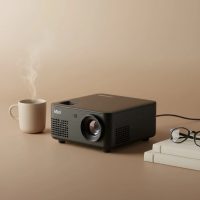
Finding the best mini portable projector can feel like a huge task, but it doesn’t have to be. Whether you’re planning an epic outdoor movie night, need a compact device for business presentations, or simply want a bigger screen for gaming in any room, the right portable projector transforms your space. As someone who has spent over a decade testing these pocket-sized powerhouses, I’ve seen them evolve from dim, fuzzy novelties into genuinely impressive entertainment and productivity tools. This guide will cut through the noise and help you find the perfect model for your needs.
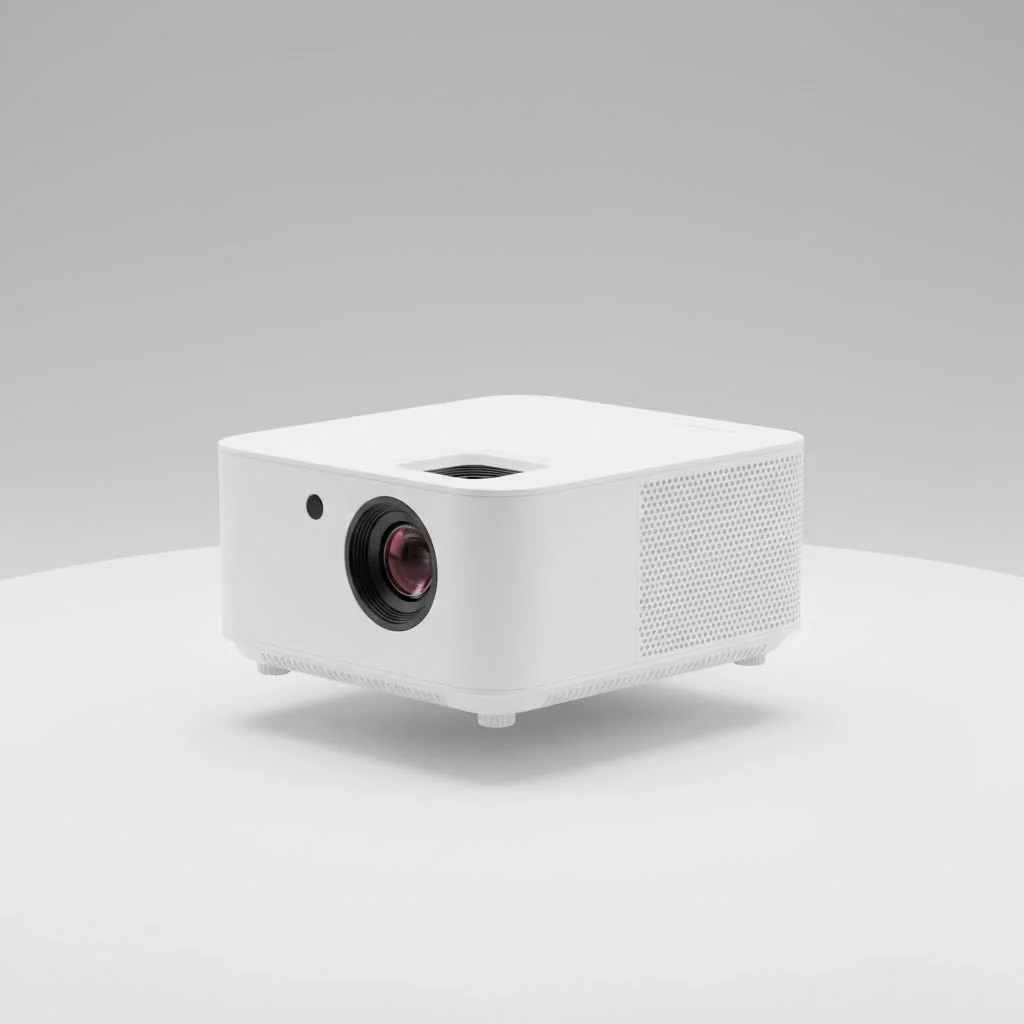
We’ll dive into the critical features you need to understand, compare some of the top contenders on the market, and answer your most pressing questions. Let’s get you ready to project anywhere, anytime. For browse all portable mini articles on this site.
What to Look for in a Mini Portable Projector
Before you get dazzled by specs and marketing jargon, it’s essential to understand the core features that truly matter. Focusing on these five elements will ensure you choose a device that meets your expectations.
1. Brightness (ANSI Lumens)
Brightness is arguably the most crucial factor. It’s measured in ANSI lumens, and the higher the number, the clearer the image will be, especially in rooms that aren’t completely dark.
- Under 200 ANSI Lumens: Suitable for very dark rooms only. Best for casual viewing in a controlled environment, like a bedroom at night.
- 200-500 ANSI Lumens: This is the sweet spot for most users. It offers good performance in dimly lit rooms and is versatile enough for evening backyard movie sessions.
- Over 500 ANSI Lumens: This is premium territory for mini projectors. These models can handle some ambient light, making them viable for living rooms with curtains drawn or for presentations in a conference room.
2. Resolution
Resolution determines the clarity and sharpness of the image. While many projectors claim to “support” 1080p or 4K, you must look for the native resolution.
- 480p (854×480): This is the entry-level standard. It’s acceptable for casual cartoon watching or if you’re not picky about image quality, but text can appear blurry.
- 720p (1280×720): A significant step up in clarity. HD content looks crisp, making it a great minimum for movie lovers.
- 1080p (1920×1080): Full HD provides a sharp, detailed image that’s fantastic for movies, gaming, and presentations. This is the gold standard for high-performance mini projectors.
3. Battery Life
The “portable” aspect is only as good as the battery. Look for a projector with at least 2 to 2.5 hours of playtime on a single charge. This is enough to get through most feature-length films without scrambling for a power outlet. Some premium models even feature USB-C power delivery, allowing you to extend viewing time with a compatible power bank.
4. Connectivity and Smart Features
|
Our Picks for the Best Mini Projector in 2026
As an Amazon Associate I earn from qualifying purchases.
|
||
| Num | Product | Action |
|---|---|---|
| 1 | SOOMFON Mini Projector 1080P Support - Portable Small Video Movie Projector Bluetooth 5.1 Auto Keystone Electric Focus for Bedroom/Wall/Home/Outdoor/iPhone/Android/TV Stick |

|
| 2 | Aurzen Roku TV Smart Projector with Wifi and Bluetooth, Roku Streaming Experience Built-in, 1080P FHD, Dolby Audio, Auto Focus & Keystone, Zoom, Movie Portable Outdoor Mini Projector, White |
|
| 3 | [Compatible with Netflix & TOF Real-time Focus] Mini Projector with WiFi and Bluetooth, XuanPad Smart Projector 4K Support, Dolby Audio & Keystone, 210° Rotatable Stand for Home |
|
| 4 | [Built-in Apps & 2025 Upgraded] Mini Projector Support 4K 1080P Auto Keystone 270° Rotatable with WiFi 6 and Bluetooth 5.4, Projector Portable Compatibile with HDMI/TV Stick/Memory Stick/Laptop-Black |
|
| 5 | Mini Portable Projector 4K WiFi 6 BT 5.2 Upgraded Portable Projector Full HD Supported for Phone /PC /TV /HDMI /PS5 /Laptop Auto Keystone Home Theater 180° Rotation [Built-in App] White |
|
| 6 | [Short Throw/1200ANSI/Built in Apps] 4K Outdoor Projector with WiFi and Bluetooth, Auto Focus Projector with Dual-Mode Stand, Smart Portable Proyector with Netflix/YouTube/PrimeVideo & Dolby |
|
| 7 | 【Officially-Licensed APP & Native 1080P】Thinnest 1.81\" Smart Mini Projector with WiFi and Bluetooth, Auto Focus & Keystone Portable Outdoor Projector, VOPLLS 4K Support Home Movie Projector |
|
| 8 | Magcubic Mini Projector with WiFi 6 and Bluetooth 5.4, Portable Projector 4K Support, 5W Soundbase Speaker, Auto Vertical Keystone 180°Rotatable Smart Proyector for Movie Home Outdoor |
|
| 9 | HAPPRUN Native 1080P Bluetooth Mini Projector, Full HD Portable Outdoor Movie Projector with Built-in Speaker, Compatible with Smartphone, HDMI, USB, AV, Fire Stick, PS5 for Home, Bedroom, Outdoor Use |
|
| 10 | Aurzen EAZZE D1 Smart Projector with WiFi and Bluetooth, Netflix-Officially-Licensed, Auto Focus & Keystone, DoIby Audio, Native 1080P Movie, Portable Outdoor Mini Projector, White |
|
How will you get content onto the screen? Modern projectors offer a range of options:
- HDMI: The universal standard for connecting laptops, gaming consoles, and streaming sticks.
- USB: Useful for playing media directly from a flash drive or connecting peripherals.
- Wi-Fi and Bluetooth: Essential for screen mirroring from your phone or tablet and for connecting to external speakers for better audio.
- Built-in OS: Many projectors now come with an operating system like Android TV, giving you direct access to apps like Netflix, YouTube, and Disney+ without needing another device.
5. Portability and Build
Consider the size and weight. A truly portable projector should be easy to slip into a backpack. Also, look for user-friendly features like autofocus and automatic keystone correction. These functions automatically adjust the image for a perfectly rectangular and sharp picture, even if the projector is placed at an angle, saving you from frustrating manual adjustments.
“The magic of a modern mini projector isn’t just its size; it’s the intelligent software that makes setup effortless. Features like auto-focus and keystone correction have removed the biggest user frustrations of the past decade.” – Dr. Evelyn Reed, Optical Imaging Specialist.
Top Mini Portable Projector Picks for 2026
Here’s a breakdown of some of the best models available, catering to different needs and budgets.
| Model | Native Resolution | Brightness | Battery Life | Key Feature |
|---|---|---|---|---|
| Anker Nebula Capsule 3 | 1080p | 300 ANSI Lumens | 2.5 hours | Google TV & built-in Chromecast |
| Samsung The Freestyle 2 | 1080p | 230 ANSI Lumens | 3 hours (with base) | 180-degree cradle stand |
| XGIMI MoGo 2 Pro | 1080p | 400 ANSI Lumens | (Requires power) | Intelligent Screen Adaptation |
| Kodak Luma 350 | 854×480 (480p) | 200 ANSI Lumens | 2 hours | Ultra-portable, simple UI |
| BenQ GV30 | 720p | 300 ANSI Lumens | 2.5 hours | 2.1 channel audio, unique design |
In-Depth Look
For the All-Rounder: Anker Nebula Capsule 3
The Nebula Capsule series has long been a favorite, and the latest iteration is the best yet. It packs a sharp 1080p resolution and 300 ANSI lumens into a design the size of a soda can. With Google TV built-in, you have access to thousands of apps, and the 2.5-hour battery is reliable for a full movie. It’s the perfect travel companion for those who don’t want to compromise on content or quality.
For the Design-Conscious: Samsung The Freestyle 2
Samsung’s The Freestyle 2 is as much a lifestyle gadget as it is a projector. Its unique cradle stand allows you to project onto any surface, including the ceiling, with ease. While its brightness is slightly lower than some competitors, its seamless integration with Samsung’s Smart TV platform and its clever design make it a standout choice for style and flexibility. The new version even allows cloud gaming access.
For Top-Tier Image Quality: XGIMI MoGo 2 Pro
If you prioritize image quality and brightness, the XGIMI MoGo 2 Pro is a phenomenal choice. At 400 ANSI lumens, it’s one of the brightest in its class, delivering a vibrant picture even with some ambient light. Its Intelligent Screen Adaptation technology is mind-blowingly good, automatically focusing, correcting keystone, and even avoiding obstacles on the wall. The only trade-off is the lack of a built-in battery, so you’ll need a power source.
Getting the Most Out of Your Mini Projector
Owning a mini portable projector is just the first step. Here are a few tips to enhance your experience:
- Invest in a Good Screen: While a plain white wall works, a dedicated portable projector screen will significantly improve contrast and image vibrancy.
- Don’t Forget the Audio: The built-in speakers on most mini projectors are passable at best. For an immersive movie experience, connect a quality Bluetooth speaker or a soundbar.
- Control Your Lighting: The darker the room, the better the picture. Use blackout curtains or wait until after sunset for outdoor viewing to get the best results.
- Positioning is Key: Try to place the projector as straight-on to the screen or wall as possible. While auto-keystone is a great feature, a direct projection always yields the highest image quality.
Frequently Asked Questions (FAQ)
Can a mini portable projector replace a TV?
For many people, yes. While it won’t match a high-end OLED TV in a bright room, a quality 1080p mini projector provides a much larger, more cinematic experience for evening and nighttime viewing that many find more immersive.
How big of a screen can I project?
Most mini projectors can cast an image from 30 inches up to 100 or even 120 inches. However, the image will lose brightness as it gets larger. For the best balance of size and quality, an 80-100 inch screen is often the sweet spot.
Is 4K resolution available in mini projectors?
True native 4K resolution is still extremely rare and expensive in the mini projector category. Most models that advertise “4K support” are actually 1080p projectors that can downscale a 4K input signal. The result is still a 1080p image.
How durable are the bulbs in these projectors?
Modern mini projectors use LED or laser light sources instead of traditional bulbs. These are incredibly durable, with most manufacturers rating them for 20,000 to 30,000 hours of use. That’s enough to watch a two-hour movie every day for over 25 years.
Do I need a streaming stick like a Roku or Fire TV?
If your projector has a built-in smart OS like Android TV or Google TV, you don’t need an external streaming device. However, if you have a more basic model, plugging in a streaming stick via HDMI is an easy and affordable way to add smart capabilities.
Final Thoughts
The world of portable entertainment has never been more exciting. The technology packed into these small devices is truly remarkable, offering the freedom to create a big-screen experience wherever you go. By focusing on the core elements of brightness, native resolution, and battery life, you can confidently select the best mini portable projector for your adventures. Whether you choose an all-in-one smart device like the Anker Nebula Capsule 3 or a design-forward model like the Samsung Freestyle 2, you’re unlocking a new way to enjoy your favorite content. Now go on, and find the perfect wall to be your new screen.
Get our weekly buyer guide
Practical specs, not advice. Unsubscribe anytime.