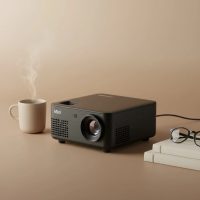
Imagine having a 100-inch screen that fits in your jacket pocket. That’s not science fiction; it’s the incredible reality of the pico mini projector. These tiny, ultra-portable devices have revolutionized how we share and consume media, turning any wall into a potential cinema, presentation screen, or gaming display. As someone who has spent over a decade testing and living with these gadgets, I’ve seen them evolve from a niche novelty into a mainstream marvel. This guide is your definitive resource, cutting through the jargon to help you understand, choose, and get the most out of your very own pocket-sized powerhouse.
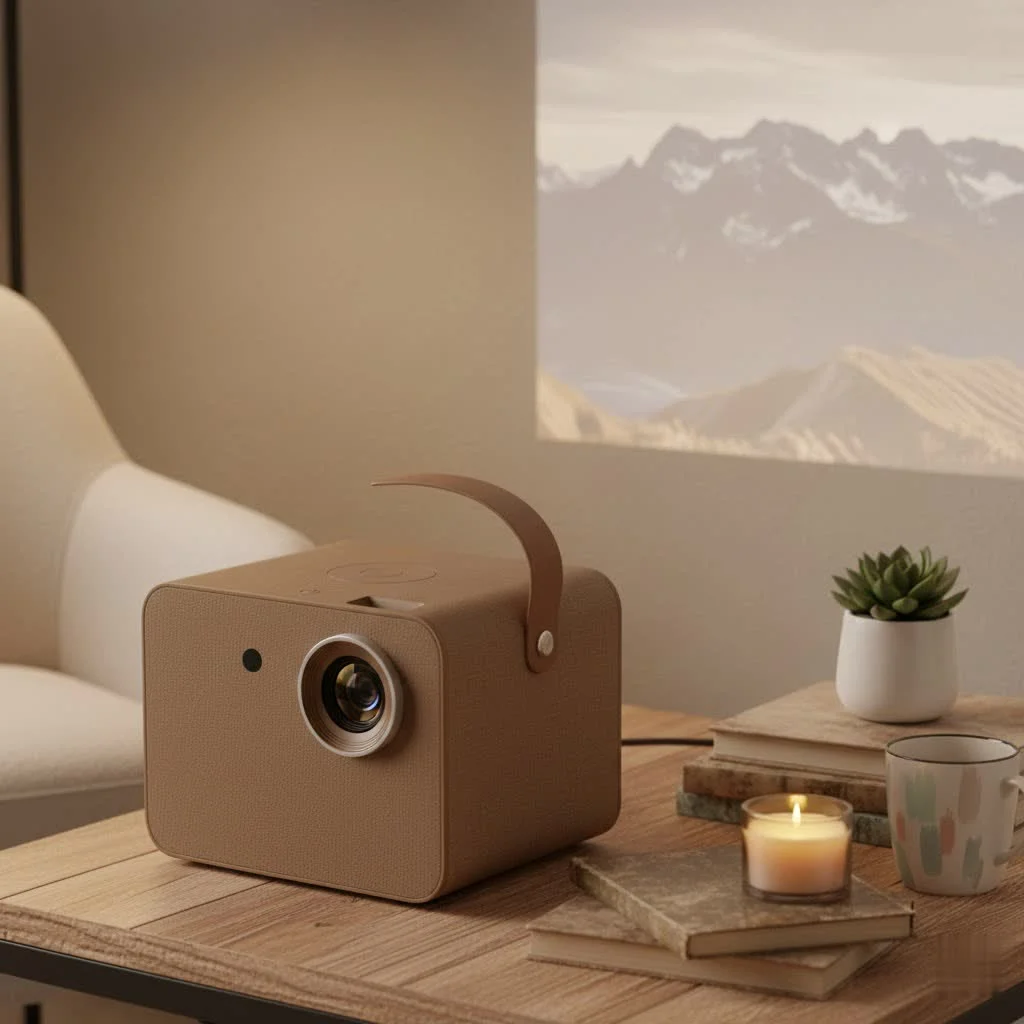
What Exactly Defines a Pico Mini Projector?
Let’s clear up some confusion first. The terms “pico” and “mini” are often used interchangeably, but “pico” refers to the absolute smallest class of projectors. A true pico mini projector is typically no larger than a smartphone, sometimes even smaller, and is designed for maximum portability.
At their core, these devices use advanced LED or laser light sources combined with DLP (Digital Light Processing) technology to create an image. Unlike their bulky, traditional counterparts that need a permanent home, a pico projector is built for life on the move. They are lightweight, often feature built-in rechargeable batteries, and offer a variety of connection options for your phone, laptop, or streaming device. They are the epitome of “plug-and-play” entertainment and productivity.
Key Features to Scrutinize Before You Buy
Choosing the right pico mini projector can feel overwhelming with all the technical specs listed on the box. But don’t worry, I’m here to break down the features that truly matter. Focusing on these core elements will ensure you get a device that meets your needs and provides a fantastic viewing experience.
Brightness: The Lumen Lowdown
Brightness, measured in ANSI lumens, is arguably the most critical factor. It dictates how visible and vibrant the image will be, especially in rooms that aren’t completely dark.
- Under 100 Lumens: Best for very dark rooms. Suitable for casual movie nights where you have full control over ambient light.
- 100-300 Lumens: This is the sweet spot for most pico projectors. They can handle dimly lit rooms and produce a reasonably bright and colorful image for movies or presentations.
- 300+ Lumens: High-end for a pico. These can perform surprisingly well even with some ambient light, making them more versatile for different environments, like a classroom or a living room with curtains drawn.
Pro Tip: Be wary of manufacturers listing just “lumens” instead of “ANSI lumens.” The ANSI standard is a more accurate and reliable measurement of brightness.
Resolution: From Pixels to Picture Clarity
|
Our Picks for the Best Mini Projector in 2026
As an Amazon Associate I earn from qualifying purchases.
|
||
| Num | Product | Action |
|---|---|---|
| 1 | Magcubic Mini Projector with WiFi 6 and Bluetooth 5.4, Portable Projector 4K Support, 5W Soundbase Speaker, Auto Vertical Keystone 180°Rotatable Smart Proyector for Movie Home Outdoor |

|
| 2 | [Short Throw/1200ANSI/Built in Apps] 4K Outdoor Projector with WiFi and Bluetooth, Auto Focus Projector with Dual-Mode Stand, Smart Portable Proyector with Netflix/YouTube/PrimeVideo & Dolby |
|
| 3 | SOOMFON Mini Projector 1080P Support - Portable Small Video Movie Projector Bluetooth 5.1 Auto Keystone Electric Focus for Bedroom/Wall/Home/Outdoor/iPhone/Android/TV Stick |
|
| 4 | [Compatible with Netflix & TOF Real-time Focus] Mini Projector with WiFi and Bluetooth, XuanPad Smart Projector 4K Support, Dolby Audio & Keystone, 210° Rotatable Stand for Home |
|
| 5 | Aurzen EAZZE D1 Smart Projector with WiFi and Bluetooth, Netflix-Officially-Licensed, Auto Focus & Keystone, DoIby Audio, Native 1080P Movie, Portable Outdoor Mini Projector, White |
|
| 6 | 【Officially-Licensed APP & Native 1080P】Thinnest 1.81\" Smart Mini Projector with WiFi and Bluetooth, Auto Focus & Keystone Portable Outdoor Projector, VOPLLS 4K Support Home Movie Projector |
|
| 7 | HAPPRUN Native 1080P Bluetooth Mini Projector, Full HD Portable Outdoor Movie Projector with Built-in Speaker, Compatible with Smartphone, HDMI, USB, AV, Fire Stick, PS5 for Home, Bedroom, Outdoor Use |
|
| 8 | [Built-in Apps & 2025 Upgraded] Mini Projector Support 4K 1080P Auto Keystone 270° Rotatable with WiFi 6 and Bluetooth 5.4, Projector Portable Compatibile with HDMI/TV Stick/Memory Stick/Laptop-Black |
|
| 9 | Mini Portable Projector 4K WiFi 6 BT 5.2 Upgraded Portable Projector Full HD Supported for Phone /PC /TV /HDMI /PS5 /Laptop Auto Keystone Home Theater 180° Rotation [Built-in App] White |
|
| 10 | Aurzen Roku TV Smart Projector with Wifi and Bluetooth, Roku Streaming Experience Built-in, 1080P FHD, Dolby Audio, Auto Focus & Keystone, Zoom, Movie Portable Outdoor Mini Projector, White |
|
Resolution determines the sharpness and detail of the projected image. While you won’t find 4K in a true pico projector yet, you can still get excellent clarity.
- Standard Definition (480p): This is the entry-level. It’s acceptable for casual viewing or cartoon-style content, but text and fine details may appear blurry.
- HD (720p): A significant step up. This resolution offers a sharp, clear picture that’s great for watching movies and is suitable for most users.
- Full HD (1080p): While less common in the smallest pico models, some slightly larger “pocket” projectors offer native 1080p. This provides a crisp, highly detailed image perfect for cinema lovers and professionals.
Remember to check for native resolution. Many projectors will “support” 1080p or 4K, meaning they can accept that signal, but they will downscale it to their lower native resolution.
Battery Life: Untether Your Viewing Experience
The main appeal of a pico mini projector is its portability, and a built-in battery is central to that freedom. Battery life can vary dramatically, so consider how you plan to use the device. A projector that lasts 90 minutes might not make it through a full movie. Look for a model with at least 2 to 2.5 hours of battery life for uninterrupted entertainment. Also, check if it can be charged and used simultaneously via a power bank for extended-play sessions.
Connectivity: Your Gateway to Content
A projector is useless without a way to get content to it. Modern pico projectors offer a range of options to connect your devices.
- HDMI: The universal standard. A mini or full-size HDMI port is essential for connecting laptops, gaming consoles, and streaming sticks.
- USB-C: A versatile port that can often handle video input and charging simultaneously from a compatible device like a modern laptop or smartphone.
- Wi-Fi & Screen Mirroring: This allows you to wirelessly cast your screen from a phone, tablet, or computer. It’s incredibly convenient but the stability can sometimes vary.
- Bluetooth: Crucial for connecting external speakers or headphones. The built-in speakers on pico projectors are typically very small, so having the option to connect to a quality Bluetooth speaker is a game-changer for audio.
“The magic of a pico projector isn’t just its size; it’s the freedom it gives you,” says tech journalist and product reviewer, Sarah Jenkins. “The best models are the ones that don’t make you compromise on connectivity. Wireless options are great for convenience, but a reliable HDMI port is still the gold standard for a flawless, lag-free picture.”
Who is a Pico Mini Projector Perfect For?
These versatile little gadgets serve a surprisingly wide range of users. Here are some of the most popular scenarios where a pico projector truly shines:
- The Movie Buff: Create an impromptu movie night anywhere—in the bedroom, the backyard, or even on a camping trip. Just add a portable screen or a blank wall.
- The Business Traveler: Ditch the bulky equipment. Walk into a meeting, pull the projector from your bag, and display your presentation on any available surface. It’s a professional and impressive way to pitch ideas.
- The Family Entertainer: Keep the kids entertained with cartoons on the ceiling or set up an outdoor movie night for the whole family.
- The Gamer: Connect a console via HDMI for a larger-than-life gaming experience. While not for competitive esports, it’s incredibly fun for casual and party games.
- The Artist or Decorator: Use it to project designs or patterns onto walls or canvases for tracing and creative projects.
Final Thoughts: Is a Pico Projector Right for You?
A pico mini projector is not a replacement for a high-end home theater projector or a 4K TV. It’s a different tool for a different purpose. It’s for the person who values portability, flexibility, and the simple joy of creating a big screen experience out of thin air. By focusing on the core features of brightness, resolution, battery, and connectivity, you can find a device that perfectly suits your mobile lifestyle. The technology has come a long way, and today’s pico projectors offer a stunningly good experience in a package you can hold in the palm of your hand. Go ahead, put a cinema in your pocket.
Frequently Asked Questions (FAQ)
Can you watch Netflix on a pico mini projector?
Yes, you can. The easiest way is to connect a streaming device like a Roku, Amazon Fire TV Stick, or Apple TV to the projector’s HDMI port. Some projectors with built-in Android OS may have a native Netflix app, but be sure to check, as some versions are not supported.
How many lumens is good for a pico projector?
For a pico mini projector, aim for at least 150-200 ANSI lumens for a versatile experience in a dimly lit room. If you plan to use it exclusively in a completely dark environment, 50-100 ANSI lumens can be sufficient.
Do pico projectors need a screen?
While a dedicated projector screen will always provide the best image quality, it’s not a requirement. One of the main benefits of a pico projector is its ability to use any flat, light-colored surface as a screen, such as a wall, a ceiling, or the side of a tent.
How long do pico projectors last?
The light source in most pico projectors is an LED, which has an incredibly long lifespan, often rated for 20,000 to 30,000 hours. This means that even if you used it for four hours every single day, the lamp could last for over 13 years. The limiting factor is more likely to be the internal battery, which will degrade over time like any other rechargeable battery.
Are pico projectors good for gaming?
They can be fantastic for casual gaming! Connecting a Nintendo Switch or another console for a big-screen session of Mario Kart is a lot of fun. However, they may not be ideal for competitive, fast-paced online games where input lag is a critical factor, as most pico projectors are not optimized for ultra-low latency.
Get our weekly buyer guide
Practical specs, not advice. Unsubscribe anytime.